
Why SMBs Are Turning to Digital Wholesale Marketplaces
Your All In One B2B Platform Built for Small Business Growth
Streamline your supply chain and unlock growth with our B2B platform built for small businesses. Connect directly with verified suppliers to source quality products at competitive prices, all within an intuitive digital marketplace designed to simplify wholesale purchasing.
Why SMBs Are Turning to Digital Wholesale Marketplaces
Small and medium-sized businesses are increasingly flocking to digital wholesale marketplaces to break free from the slow, limited reach of traditional B2B sales. These platforms provide a dynamic ecosystem where SMBs can instantly discover thousands of vetted suppliers and products, dramatically cutting down the time spent on sourcing. By leveraging B2B ecommerce solutions, businesses automate tedious order processing and access real-time inventory data, eliminating the guesswork from restocking. A major driver is the ability to compete with larger rivals by securing better pricing and a wider selection without massive overhead. This shift empowers SMBs to operate with unprecedented agility, making efficient digital procurement the new standard for thriving in a fast-paced, competitive market environment.
The Shift From Traditional Sourcing to Online Networks
Small and medium businesses are increasingly adopting digital wholesale marketplaces to overcome traditional supply chain inefficiencies. Digital wholesale marketplaces offer SMBs direct access to vetted suppliers and real-time inventory data, reducing the lengthy procurement cycles typical of legacy systems. This shift enables smaller buyers to compete effectively by leveraging bulk pricing and logistical support once reserved for large enterprises. Key advantages include:
- Cost savings: Lower per-unit pricing through aggregated demand and reduced middleman fees.
- Transparency: Real-time pricing, stock levels, and shipping timelines.
- Flexibility: Order minimums as low as single units for testing new products.
Q&A:
Q: Are these platforms secure for first-time SMB buyers?
A: Reputable marketplaces use escrow payments and supplier verification—always check for buyer protection policies and user reviews before transacting.
Cost Pressures Driving Small Merchants Toward Aggregated Platforms
As the sun set over Maria’s small retail shop, she realized manual ordering from dozens of suppliers was eating into her margins and her sanity. She, like thousands of other SMB owners, turned to digital wholesale marketplaces for survival. These platforms consolidate vetted vendors, business-to-business e-commerce solutions, and real-time inventory into one dashboard. Instead of juggling spreadsheets, she now accesses bulk discounts, streamlined logistics, and data-driven insights. The result is a leaner operation with room to grow.
- Cost efficiency: Lower overheads through automated procurement.
- Curated selection: Access to verified wholesalers without cold-calling.
- Scalability: Instant reordering based on sales trends.
Key Features That Matter When Sourcing Products for Your Company
When sourcing products for your company, focusing on supplier reliability and product quality forms the foundation of a sustainable supply chain. Key features include consistent material standards and compliance with industry regulations, which directly impact brand reputation. Equally critical are cost transparency and lead time consistency, allowing for accurate budgeting and inventory planning. Scalability of production capacity ensures your supplier can handle order fluctuations without sacrificing deadlines. Additionally, evaluating ethical labor practices and environmental certifications helps mitigate long-term operational risks. Prioritizing these factors, particularly quality assurance, reduces returns and fosters customer trust, ultimately driving repeat business.
Inventory Transparency and Real-Time Stock Visibility
When sourcing products for your company, prioritize supplier reliability and product quality above all else. Vendor compliance with regulatory standards is non-negotiable to avoid legal and reputational risks. Evaluate minimum order quantities, lead times, and payment terms to align with your cash flow. Supply chain transparency ensures ethical sourcing and traceability. Cost analysis must include hidden fees like tariffs or shipping, not just unit price. Sample testing before bulk orders catches defects early. Scalability is critical: can the supplier ramp up production as you grow? Use a simple checklist: quality control process, communication responsiveness, shipping options, and return policies. Whether you choose domestic or overseas vendors, verify certifications (e.g., ISO, RoHS) and request references. The right partner balances cost, speed, and consistency.
Payment Protections and Escrow Services for Buyers
When you’re sourcing products, you need to focus on supplier reliability and quality control. A rock-solid supplier delivers consistent goods on time, minimizing disruptions to your workflow. Always check certifications, request samples, and audit their manufacturing process. Don’t overlook the total landed cost, which bundles shipping, duties, and tariffs—not just the unit price. Clear communication is a must; a vendor that responds promptly to emails saves you headaches later. Also, ensure their production capacity can scale with your growth. For a quick reference here’s a checklist:

- Quality samples before bulk orders
- Lead times and minimum order quantities
- Compliance with local safety standards
- Payment terms that protect your cash flow
Bulk Pricing Tiers Without Minimum Order Hassles
When we began sourcing products, the first lesson came from a shipment of faulty electronics that nearly cost us a major client. That’s when we learned that supplier quality assurance isn’t optional—it’s the foundation. You must verify certifications, request samples, and audit factories before committing. Next, factor in lead times and minimum order quantities, which can silently strangle your cash flow. A reliable partner communicates delays early, not after they’ve passed. Finally, consider logistics: shipping routes, customs fees, and packaging durability. One overlooked detail—like a fragile label—can derail your launch. This is why we now treat each supplier relationship as a strategic partnership, not a transaction, balancing cost with reliability to protect our bottom line.
Navigating Supplier Verification and Trust Signals

Navigating supplier verification can feel like a minefield, but focusing on key trust signals for online suppliers makes the process straightforward. Start by checking if the supplier has a verified business license and a physical address that matches satellite imagery. Reliable partners often showcase third-party certifications like ISO or BSCI, which act as strong credibility markers. Don’t overlook customer reviews on independent platforms, and always request product samples before committing to large orders. A quick video call can also reveal factory conditions. By prioritizing these **trust-building steps**, you’ll avoid common pitfalls and build a supply chain that actually delivers on its promises. This systematic approach ensures you’re not just hoping for quality, but confidently verifying it at every stage.
How to Spot Reliable Manufacturers and Distributors
Navigating supplier verification requires a systematic evaluation of trust signals to mitigate risk and ensure supply chain integrity. Supply chain due diligence reduces operational vulnerability. Buyers typically assess legal registration, financial health, and compliance certifications through third-party audits or platforms. Key verification methods include:
- Reviewing government business registries and licensed credentials.
- Checking trade references and prior transaction histories.
- Analyzing product-quality certifications (e.g., ISO, CE).
Trust signals such as secure payment options, clear return policies, and transparent communication channels further indicate reliability. A lack of verifiable documentation or negative trade reviews often signals heightened risk, necessitating deeper investigation before contractual commitment.
User Reviews, Trade References, and Platform Guarantees
Navigating supplier verification requires a structured approach to mitigate risks like fraud or quality failures. Establishing supply chain trust through layered verification is essential for procurement resilience. Key steps include reviewing business licenses, third-party audits, and trade references. Digital trust signals—such as verified factory certifications, liability insurance proof, and consistent online transaction histories—further validate a supplier’s legitimacy. Cross-referencing claims against independent databases or industry platforms reduces reliance on self-reported data alone. A comprehensive verification protocol, combining document checks with direct communication and sample testing, builds a reliable foundation for long-term supplier relationships.
- Requesting bank references and payment history reports
- Checking for membership in recognized trade associations
- Reviewing online reviews and dispute records on B2B platforms
Streamlining Procurement With Centralized Tools
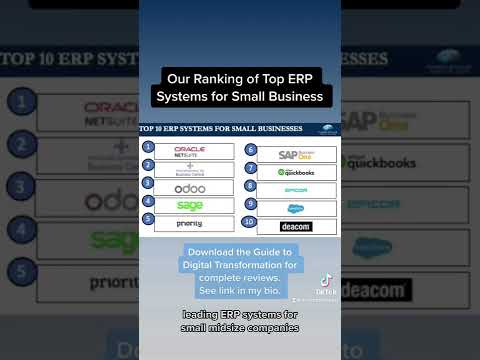
Streamlining procurement with centralized tools feels like upgrading from a clunky flip phone to a sleek smartphone. Instead of chasing approvals across scattered emails and spreadsheets, a single dashboard brings everything into clear focus. This approach not only slashes time wasted on manual tasks but also significantly enhances organizational efficiency. By standardizing vendor contracts and purchase orders, teams can leverage bulk buying power and spot spending patterns instantly. It’s honestly a game-changer for keeping budgets on track. Plus, automated alerts prevent costly duplicates and policy violations before they happen. For any business tired of procurement chaos, adopting a unified platform can boost bottom-line savings while giving staff their evenings back.
Automated Reordering Based on Sales History
Centralized procurement tools streamline the purchasing process by consolidating supplier data, purchase orders, and invoices into a single platform. This eliminates redundant manual tasks and provides https://stafir.com/ full visibility into spending across departments. By automating approvals and standardizing vendor communication, organizations reduce processing times and minimize errors. Procurement automation improves efficiency by enforcing compliance with company policies and leveraging bulk purchasing power for cost savings. Teams can track order statuses in real time, reconcile invoices faster, and generate reports that identify spending trends or bottlenecks. As a result, procurement cycles become shorter, and stakeholders gain better control over budgets and supplier relationships.
Multi-Channel Inventory Sync for Retailers

Before centralized tools, procurement felt like navigating a maze. Teams chased approvals across scattered emails, invoices vanished into black holes, and supplier data frayed at the edges. Then, the company introduced a single digital hub. Suddenly, automated procurement workflows cut approval time from days to minutes. Purchase orders linked seamlessly to budgets, and vendor performance became visible at a glance. The chaos of manual errors and lost documents faded. What once required frantic oversight now runs on quiet, consistent logic—freeing teams to focus on strategy instead of firefighting. The result? Faster cycles, predictable costs, and a procurement process that finally feels streamlined.
Financing Options Embedded in the Marketplace
Modern marketplaces increasingly integrate built-in financing options to reduce friction and boost conversion rates. Buyers can often select “Buy Now, Pay Later” services like Klarna or Affirm at checkout, splitting payments into interest-bearing or interest-free installments. For higher-ticket items, many platforms offer dynamic credit limits based on transaction history, allowing repeat customers to purchase instantly without re-entering details. Sellers benefit from accelerated payouts, as the marketplace assumes the credit risk. Crucially, these embedded solutions use soft credit checks that do not impact a user’s score for initial eligibility. This seamless blend of commerce and lending transforms a potential abandonment point into a closed sale.
Q: Do these options hurt seller margins?
A: Not directly. The marketplace typically pays the financing provider a small fee (often 2–6% per transaction) rather than deducting from the seller’s payout. In most models, sellers receive their full amount upfront, minus standard marketplace commissions.
Net Terms and Invoice Factoring for Growing Firms
Modern marketplaces streamline purchasing by embedding diverse financing options directly at the point of sale. These range from “Buy Now, Pay Later” (BNPL) services like Klarna and Affirm, which offer interest-free short-term installments, to traditional credit card processing with dynamic APR tiers. Many platforms also integrate third-party leasing or equipment financing for high-value B2B transactions, enabling businesses to preserve cash flow. Embedded lending reduces cart abandonment and boosts average order value. A key advantage is instant credit decisioning based on soft credit pulls, eliminating friction for the buyer. For sellers, this unlocks access to a broader customer base, including those with subprime credit, without bearing the default risk themselves.
The most effective marketplaces structure financing as a seamless, one-click option—not a separate loan application process.
- BNPL: Short-term, zero-interest installments; high approval rates.
- Revolving Credit: Line of credit with variable interest, often branded.
- Invoice Financing: Pending receivables securitized for immediate seller payout.
Micro-Loans and Purchase Order Funding
Marketplace financing options empower buyers by integrating flexible payment methods directly into the checkout flow, removing friction from the purchasing process. Embedded lending solutions allow customers to instantly access buy now, pay later (BNPL) plans, credit lines, or installment loans without leaving the platform. This seamless access boosts conversion rates and average order values by catering to diverse budgets. Key embedded options include:
- Buy Now, Pay Later: Short-term, interest-free installments for small purchases.
- Point-of-Sale Loans: Longer-term financing with fixed interest rates for high-ticket items.
- In-Store Credit Cards: Store-specific revolving credit lines offered at checkout.
For sellers, this model reduces payment risk and attracts cost-conscious shoppers, creating a win-win ecosystem that drives repeat sales and customer loyalty.
Reducing Operational Overhead Through Digitization
Digitizing manual workflows and records is the most direct path to **reducing operational overhead**. By replacing paper-based approvals with automated systems, companies drastically cut costs tied to physical storage, printing, and administrative labor. Cloud-based platforms further eliminate the need for expensive on-site servers, turning fixed IT costs into variable, scalable expenses. Every redundant process you eliminate recovers both time and capital that can fuel strategic growth. This shift also minimizes human error in data entry and compliance reporting, which saves on costly rework and penalties. Ultimately, embracing **digital transformation** isn’t just about saving money—it optimizes resource allocation, allowing teams to focus on high-value tasks that drive revenue rather than routine maintenance.

Eliminating Manual Data Entry With API Integrations
When a regional courier company replaced its mountain of paper manifests with a cloud-based tracking system, the shift felt almost magical. Drivers no longer spent twenty minutes daily reconciling delivery slips, and dispatchers could reroute vehicles in real time. Automating manual workflows trimmed fuel costs by 15% and eliminated billing errors. By digitizing invoice processing, the company cut administrative time by half, freeing staff to focus on customer relationships. The result? Lower overhead—not through layoffs, but by letting software handle the grunt work, turning former data entry roles into proactive problem-solving positions.
Consolidating Vendors Into a Single Dashboard
Digitizing your workflows is a straight shot to reducing overhead. By swapping manual tasks for automated systems, you cut down on paper, printing, and the hours your team spends on data entry. A centralized digital hub lets everyone access files instantly, slashing wasted time hunting for information. You’ll also see fewer errors, which means less costly rework and a smoother operation overall. This shift isn’t just about being tech-savvy; it’s a practical way to protect your bottom line and free up cash for growth. Automating administrative tasks is a key first step for businesses looking to scale.
Customizing Catalogs for Niche and Local Markets
In the quiet backstreets of Portland, a bookstore owner realized her general catalog of bestsellers collected dust, while a hand-stapled niche catalog featuring local zines and Pacific Northwest hiking guides flew off the counter. By swapping mass-market listings for hyperlocal sourcing, she turned her seasonal mailer into a treasure map. This strategy thrives on proximity: a hardware store in rural Montana highlights customized snowmelt mats rather than generic outdoor gear, because its customers don’t care about beach umbrellas. The magic lies in stripping away the irrelevant and amplifying what matters to the neighbor, the farmer, the local diner owner. Each tailored page feels less like a sales pitch and more like a knowing nod—proof that the best catalogs don’t shout for attention; they quietly whisper, “We see you.”
Finding Specialty Goods That Big Retail Misses
Customizing catalogs for niche and local markets transforms generic product listings into targeted sales tools that resonate deeply with specific audiences. By tailoring content to regional preferences—such as highlighting locally-sourced ingredients or adapting sizing for climate conditions—brands build immediate trust and relevance. Localized catalog optimization boosts conversion rates by aligning with buyer intent. For instance, a premium coffee roaster might feature distinct roast profiles for the Pacific Northwest versus the Southwest, using regional imagery and vocabulary. This approach also streamlines inventory management by featuring only products likely to perform in each area. Key tactics include:
- Adapting product names and descriptions for regional dialects
- Featuring location-specific testimonials and case studies
- Adjusting visual assets to reflect local architecture, landscapes, or culture
Ultimately, a hyper-focused catalog turns a passive browsing experience into a personal discovery journey, increasing average order value by as much as 25% in specialized verticals.
White-Label Opportunities and Private Label Sourcing
Customizing catalogs for niche and local markets transforms generic product listings into powerful conversion tools. Localized catalog personalization ensures your offerings resonate deeply with specific community needs, from regional climate considerations to cultural preferences. For instance, a hardware supplier targeting coastal areas might highlight corrosion-resistant materials, while a grocery catalog for a multicultural neighborhood could dedicate sections to ethnic spices and halal-certified goods. This strategy demands diligent market research: analyzing local buying habits, seasonal trends, and competitor gaps. Successful implementation typically involves three key actions: adjusting product descriptions to include regional terminology, swapping generic imagery for local landmarks or familiar settings, and featuring testimonials from nearby customers. The result is a tighter user experience that feels curated rather than mass-produced, boosting both click-through rates and repeat purchases by fostering a sense of relevance and trust.
Logistics and Fulfillment Support for Small Shippers
Logistics and fulfillment support for small shippers has become a critical competitive advantage, transforming how startups and independent sellers reach their customers. By leveraging third-party logistics providers, small businesses bypass sky-high warehousing costs and complex inventory management. These partners handle everything from pick-and-pack to shipping, often integrating directly with major e-commerce platforms. This means a solo entrepreneur can offer free two-day shipping and seamless returns without owning a single truck. The result is a lean operating model that scales effortlessly, allowing shippers to focus on product development and marketing. For any small shipper aiming to compete with retail giants, adopting professional fulfillment support is not optional—it is the strategic backbone for growth and customer satisfaction.
Negotiating Freight Rates Through Aggregated Volume
Navigating the shipping landscape can be a major hurdle for small shippers, but tailored logistics and fulfillment support levels the playing field. By partnering with a third-party provider, small businesses gain access to discounted carrier rates, automated inventory management, and scalable warehouse space without massive upfront costs. This agile approach turns complex shipping into a streamlined, cost-effective operation. Small shipper logistics solutions like these slash overhead while boosting delivery speed and accuracy. Order fulfillment becomes a hands-off process, allowing entrepreneurs to focus on growth and customer experience. Real-time tracking and simplified returns further enhance reliability, building trust with buyers. Embracing this dynamic support transforms logistical challenges into a competitive advantage, empowering small shippers to deliver like industry giants.
Warehousing and Dropshipping Partnerships
Logistics and fulfillment support for small shippers eliminates the operational burden of shipping while unlocking enterprise-level efficiency. By partnering with specialized third-party logistics providers, small businesses bypass prohibitive warehouse leases and complex carrier negotiations. These services handle everything from inventory storage and pick-and-pack to last-mile delivery, often integrating directly with e-commerce platforms for seamless order processing. The result is dramatically reduced shipping errors, faster transit times, and scalable capacity that grows with your sales volume. Instead of being bogged down by logistics, you reclaim time to focus on product development and customer acquisition.
How does this support save small shippers money? You only pay for space and labor you use, avoiding fixed overhead. Plus, consolidated shipping volumes with major carriers earn far lower rates than any single small business could negotiate independently.
Data Driven Decisions Without a Data Team
Even without a dedicated data team, any organization can harness the power of data-driven decision making by leveraging accessible, modern tools. Free or low-cost platforms like Google Analytics, spreadsheets, and simple CRM dashboards allow you to track key metrics, identify trends, and test hypotheses directly. By setting clear KPIs aligned with business goals, you can move beyond gut feelings and subjective opinions. This approach empowers every department—from marketing to operations—to validate their strategies with concrete evidence. The key is to start small, focus on actionable insights, and automate reporting to maintain consistency. Ultimately, integrating data into your culture is a mindset shift, not a technical prerequisite, and it consistently outperforms intuition alone.
Demand Forecasting From Historical Purchase Patterns
Making data-driven decisions without a dedicated team is about embracing accessible, lean analytics. You don’t need a data department to leverage insights; you need the right tools and a curious mindset. Start by focusing on your core business metrics—tracking sales, customer behavior, or engagement with free platforms like Google Analytics or built-in CRM reports. Small businesses can win with data-driven decisions by following a simple workflow: define a clear question, pull basic reports, and test one change at a time. For instance, an e-commerce owner might notice a cart abandonment spike and experiment with a simplified checkout.
The best data story is not the most complex, but the one that triggers action.
Avoid paralysis by analysis; instead, iterate quickly. Compare weekly trends to spot patterns, and use those findings to adjust your strategy—no data team required, just persistence and common sense.
Pricing Intelligence to Stay Competitive
Making data-driven decisions without a dedicated data team is achievable through the strategic use of existing tools and simplified processes. Organizations can leverage built-in analytics from platforms like Google Analytics, CRM software, and social media insights to gather actionable information. The key is to focus on a few critical metrics directly tied to business goals, such as customer acquisition cost or conversion rates. Small business data analysis can be performed by team members using spreadsheet formulas and basic dashboarding features. Common approaches include:
- Identifying one core business question.
- Extracting relevant data from existing software.
- Visualizing trends with simple charts.
- Making one small, testable change based on findings.
This method avoids complexity while building a foundation for informed operational choices.
Building Long-Term Relationships Via the Platform
The shift from cold outreach to genuine connection began the moment our software bridged not just a transaction, but a shared vision. Unlike fleeting encounters on other marketplaces, this platform actively nurtures sustained customer engagement by transforming a single deal into a recurring dialogue. We saw it happen with a small vendor in Ohio: their first sale evolved into weekly consultations, then into co-hosted webinar series. The magic lies in the integrated communication tools and loyalty analytics, which empower us to remember not just past orders, but future aspirations. Through consistent value delivery and responsive support, the platform ensures that every interaction builds a foundation of trust, turning users into partners and creating an ecosystem where relationships don’t just survive—they thrive season after season.
Direct Messaging and Virtual Showroom Visits
Building long-term relationships via the platform hinges on consistent, value-driven engagement that prioritizes trust over transactions. Customer retention strategies rely on personalized communication, reliable support, and transparent feedback loops to sustain loyalty. Users benefit from features like milestone tracking, automated check-ins, and loyalty rewards that reinforce mutual commitment. Over time, this structured interaction reduces churn and fosters referral networks, strengthening the platform’s ecosystem for both providers and consumers.
- Personalized onboarding and follow-ups to align expectations.
- Regular performance audits and satisfaction surveys.
- Exclusive access to upgrades or community events for repeat users.
Q: How does the platform measure long-term engagement?
A: By tracking repeat interaction frequency, dispute resolution rates, and net promoter scores over consecutive billing cycles.
Loyalty Programs and Repeat Buyer Incentives
Building long-term relationships via the platform hinges on consistent, value-driven engagement that transforms one-time transactions into trusted partnerships. By prioritizing transparent communication and delivering on promises, you foster loyalty that outlasts any single campaign. Customer retention through personalized interaction is the bedrock of sustainable growth, ensuring each touchpoint reinforces your reliability. This approach turns users into advocates who champion your brand organically.
Trust is not given; it is earned through every seamless interaction on the platform.
Leverage data to anticipate needs, reward loyalty with exclusive perks, and resolve issues proactively. A relationship-focused strategy reduces churn, increases lifetime value, and creates a resilient community that thrives on mutual benefit.